Postpartum Depression Symptoms and Treatment: A Complete Guide for New Mothers
Pregnancy is one of the beautiful blessings of Allah, gifted to women and honoured with immense love and responsibility. As everyone knows, the nine months of pregnancy bring many changes to a woman’s body and transform her completely. Similarly, after delivery, a woman also has to face certain phases like depression, which many people are not aware of. That is why we are posting this article especially for mothers-to-be, so that they can understand the difficulties that may occur after delivery and learn about Postpartum Depression Symptoms and Treatment. Because until you understand something deeply, you cannot manage it properly.
What Is Postpartum Depression?
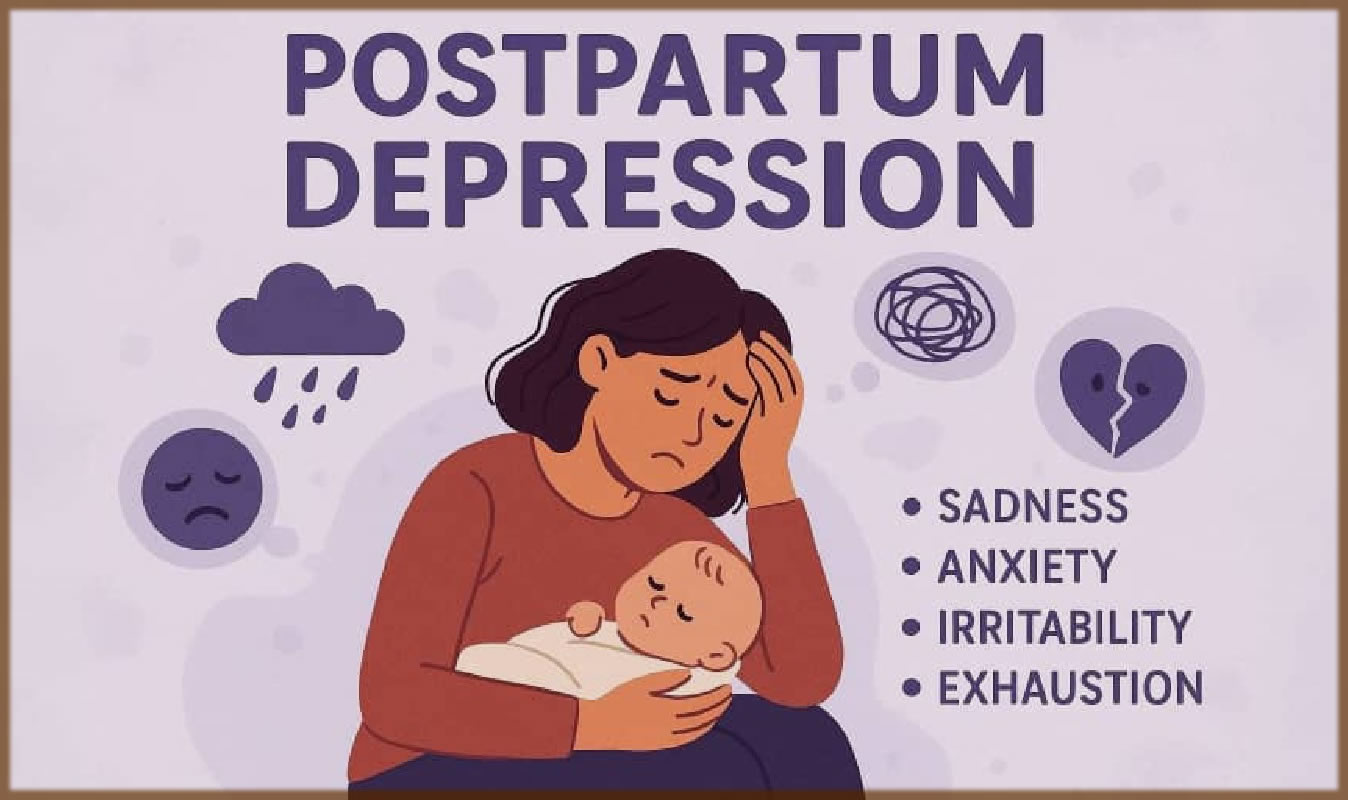
Many new moms have to face postpartum depression after having a baby. It commonly includes feelings of sadness, anxiety, fatigue, loss of interest in things and even in the baby, lack of motivation to do anything, and a constant urge to cry. We often ignore these signs, which causes new mothers to sink deeper into depression. As a result, many other issues start to appear, such as irritability, feeling sad all the time, and losing interest in daily activities. That is why it is important to take care of new moms not only during pregnancy but also after delivery, so they can pass through this phase more easily.
Postpartum depression can occur at any time within the first year after childbirth. Sometimes it lasts only 1 to 3 weeks, while in other cases it can be so severe that recovery takes a significant amount of time.
Duration of Postpartum Depression
The duration of postpartum depression varies. With proper treatment, it can improve quickly, but if ignored, it may last much longer.
- If it is treated on time and understood properly, its duration is usually around 3 to 4 months.
- If postpartum depression is not properly understood and timely treatment is not provided, it can usually last for a year or even longer.
Causes of Postpartum Depression
There are many causes of postpartum depression, which include the following:
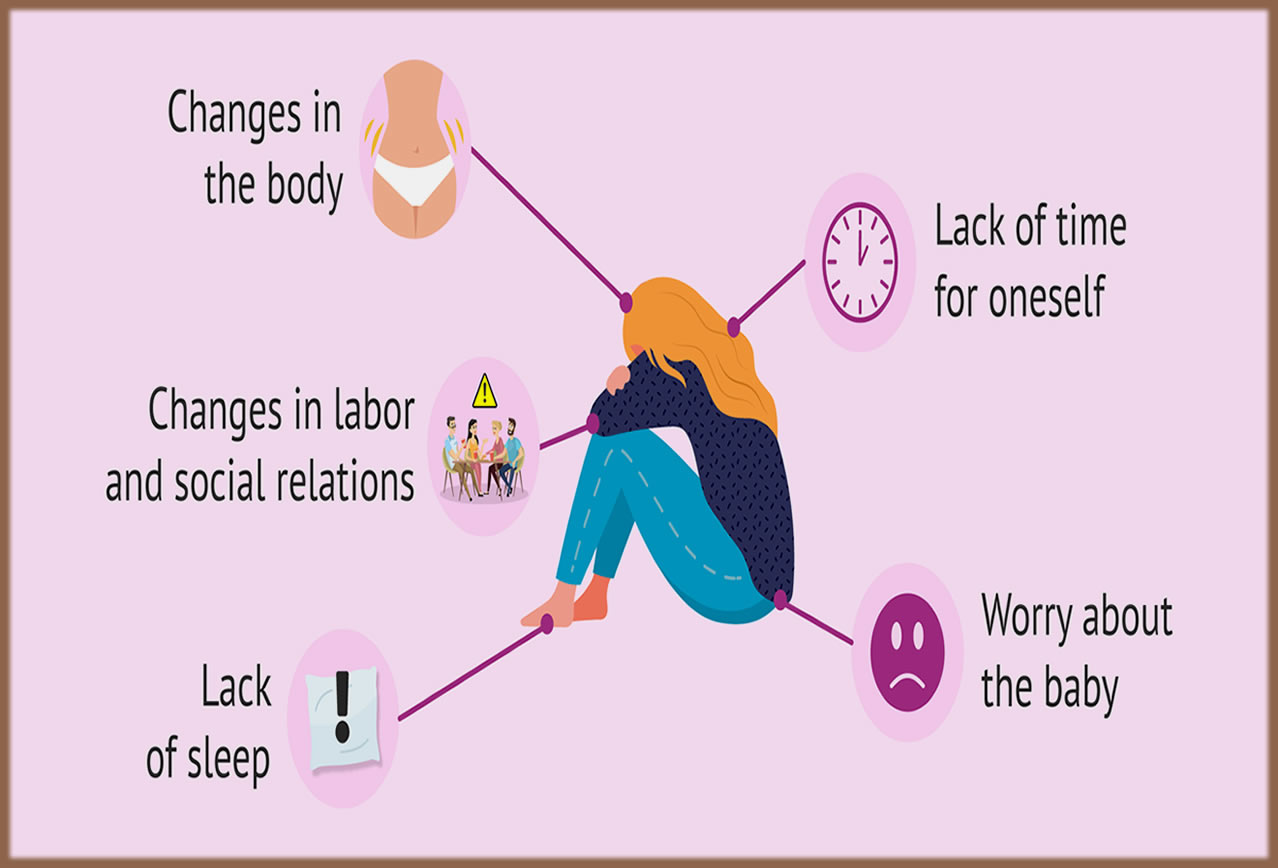
- Hormonal changes – During pregnancy, a woman’s hormones keep changing, which can affect her mental and emotional health.
- Lack of proper sleep – During the nine months of pregnancy, women often do not get enough sleep. After delivery, a newborn frequently wakes up at night, causing mothers to lose sleep, which can lead to depression.
- Stress – Physical, emotional, and mental stress can also contribute to postpartum depression.
- Lack of support – This is one of the main reasons. New moms need a lot of support in the early days after delivery to manage everything properly.
- Significant life changes – After delivery, life changes completely. Daily routines and habits are totally altered, which is also a major reason for postpartum depression.
All these physical, emotional, and lifestyle challenges can contribute to depression in new moms. It is important to understand these factors, encourage new mothers to face this phase with strength, and support them as much as possible.
Stages:
Postpartum depression is a severe mental health condition that affects women after childbirth. This happens because both the body and mind go through many changes before and after birth, which can cause significant emotional and psychological shifts in a woman. That is why postpartum depression not only needs to be understood properly but also requires timely treatment. It is usually managed with medication and therapy. Therefore, it is important to recognise it early, seek treatment on time, and support your partner in overcoming this difficult phase.
Postpartum depression has five stages. Let’s understand these stages one by one, so that together we can give new moms the strength and support they need to fight through this phase.
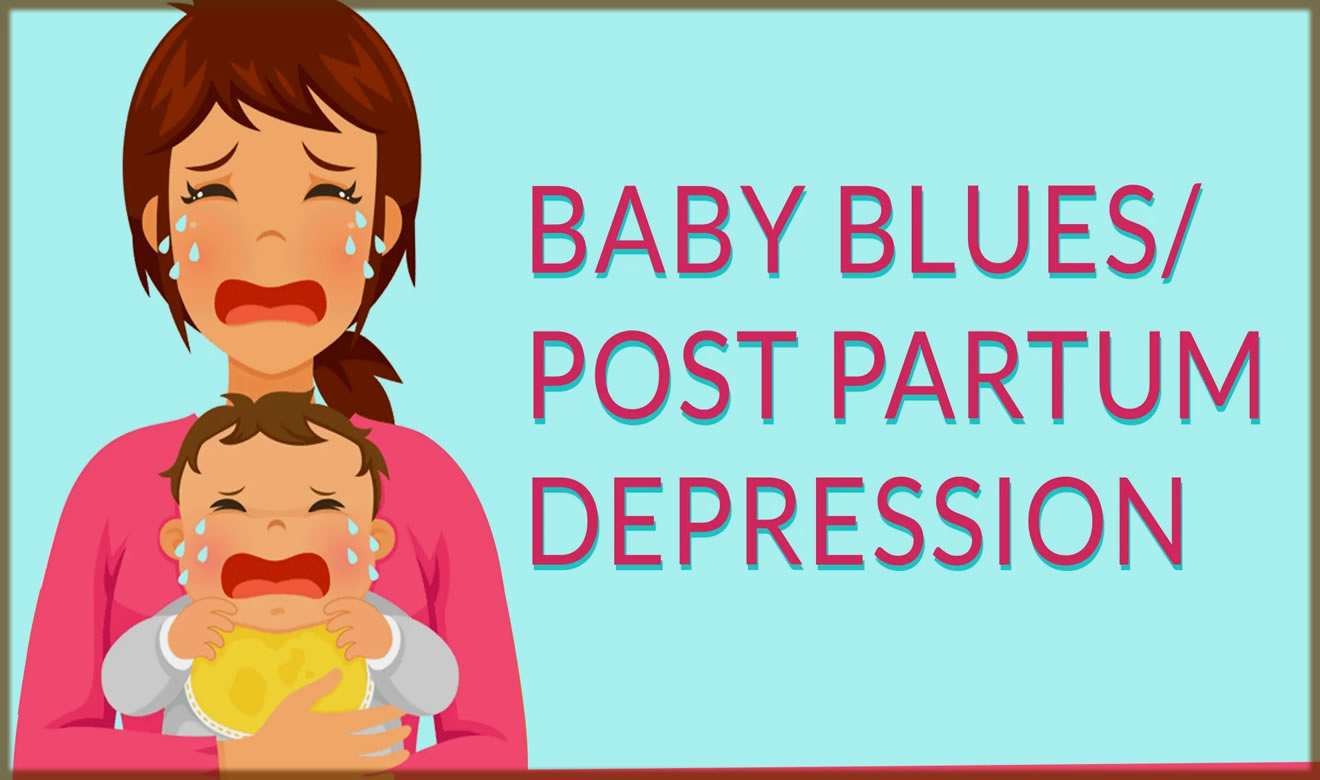
1- Baby Blues (First Few Days to 2 Weeks)
It is also called postpartum blues. This condition is usually temporary and goes away once hormone levels return to normal.
Symptoms:
- Crying over small things
- Fatigue
- Mood swings
- Anxiety
- Difficulty sleeping
- Loss of interest in the baby and other activities
- Irritability
Causes:
- Hormonal changes
- Fatigue
- Stress
What can help:
- Try to rest and sleep whenever the baby sleeps.
- Ask your friends and family to support you during the first few days after delivery.
- Take care of your own rest along with the baby and give yourself proper time.
- Share your feelings with your friends and family.
2- Intense Postpartum Depression
In this stage of postpartum depression, a woman experiences severe sadness, hopelessness, intense anxiety, and sometimes thoughts of harming herself or the baby. Let’s look at the symptoms in detail:
Symptoms:
- Intense sadness
- Feeling of loneliness
- Having feelings of resentment or difficulty bonding with the baby.
- Thoughts of harming oneself or the baby
- Lack of motivation to do daily tasks
- Not wanting to interact with people.
- Feeling anger or resentment toward oneself and the partner
- Forgetfulness
- Sudden outbursts of severe anger
- Panic attacks
- Constant negative thinking
- Dwelling on the past all the time
This stage is serious and requires immediate attention, support, and professional treatment.
What can help:
- If you have thoughts of harming yourself or your baby, contact a doctor or a qualified health professional immediately.
- Follow your doctor’s advice and complete your treatment, whether it involves medication or therapy.
- Strengthen your social circle and meet people outside your home to help refresh your mood.
- Discuss your condition openly with friends and relatives.
- Try not to stay alone until you start feeling better.
How do I know if I have baby blues or intense postpartum depression?
There is a slight difference between baby blues and intense postpartum depression. Baby blues normally affect about 75% of women and usually last only 10 to 15 days, gradually fading away on their own. In contrast, the intense stage affects around 15% of women, is much more severe, and does not go away without medical treatment.
There is also a slight difference in symptoms: in baby blues, mood swings, anxiety, and other symptoms are temporary, whereas in intense postpartum depression, they are severe and long-lasting.
3- Full-Blown Stage (3–6 Months)
At this stage, you become fully aware of your condition, your treatment is ongoing, and you start to feel better.
When to seek help:
- If you do not notice any improvement despite medication and therapy
- You may still have thoughts of harming yourself or your baby.
4- Recovery Stage (After Treatment or Support)
The recovery process for postpartum depression usually varies for each person, but there are some steps that are generally the same for everyone. Following these can help you or your partner get through this phase more effectively.
1. Doctor Visits: Whenever you visit a doctor, openly discuss your condition. Talking honestly with your doctor can protect you and help them understand your situation better, allowing them to provide effective treatment. If you don’t share your feelings properly, it becomes difficult for the doctor to treat you correctly, and recovery may take much longer.
2. Self-Care: At this stage, it can be very difficult for a woman to take care of herself, but try to give yourself as much time as possible to recover faster.
Some ways to practice self-care:
- If negative thoughts come to your mind, acknowledge them and release them immediately.
- Wear a nice outfit and do some light makeup daily; this helps refresh the mind and improve your mood.
- Expand your social circle, because meeting people positively affects your mind and mood.
3. Diet and Exercise: A proper diet and regular exercise are important for everyone, but they are especially crucial for reducing postpartum depression.
- Eat healthy foods, and also include things you enjoy eating.
- Drink plenty of fresh juices.
- Drink at least 8 glasses of water daily.
- Include light exercise or yoga in your daily routine; these help reduce stress and improve mood.
- If you want to recover faster, you can consult a professional to create a diet plan tailored to your condition.
4. Rest and Relaxation: This is the most important point. Give yourself as much rest as possible and keep your mind relaxed, for example:
- Sleep when the baby sleeps so you can get proper rest.
- If your partner or family is around and you feel tired, hand the baby over to them and rest for a while.
- Take deep breaths in nature or in fresh air.
- Keep yourself engaged in activities that bring you peace and help relax your mind.
- If you start feeling anxious or develop a dislike for everything, take a short break and sit in the fresh air for a while to relax.
The Power of Partner Support:
If your partner is going through postpartum depression, it is very important to keep the following points in mind, because the care and support of a loving partner play a major role in faster recovery:
- Listen patiently to everything your partner says. Do not speak to her in a harsh tone. Sit close to her and deal with her lovingly, because during this time, she needs your love the most.
- Help her with daily household tasks to reduce her burden.
- Take her out for short walks or outings to help change her mood.
- Take care of her small needs and pay attention to what makes her feel comfortable.
- Even if she is wrong, avoid arguments. Instead, explain things gently or remain quiet.
- Plan regular outings, go for nice dinners, and try to make those moments as pleasant and special as possible.
Remember, sometimes a partner’s support can be even more powerful than medical treatment or therapy in helping a woman come out of this phase. Therefore, take care of your wife not only during pregnancy but also after delivery, and never ignore her needs.

Conclusion: Postpartum depression is not something to be taken lightly or ignored; it is a serious condition. If it is not treated on time, it can cause significant harm. Therefore, whether the condition is mild or severe, it should be treated promptly. My advice is to take some time to read this article carefully so that you can protect yourself and your loved ones and seek proper treatment.